
Ever since I first read about Burj Al Babas in a 2016 news article, I couldn’t get it out of my mind. I remember thinking, “What a nightmare.” How could developers build this grandiose eyesore in the middle of a stunning, mountainous region near Bolu? The concept itself seemed doomed from the start. The failure these developers created shocked me. However the scene was strangely magnetic to my morbid curiosity.
Fast forward to 2022, I found myself in Ankara, where I met Akın, a Bolu native. His family owns a village house in Mudurnu, right where this bizarre development is located. Naturally, I had to ask: “Have you ever been to Burj Al Babas?” He hadn’t, only driven past it. So, I threw out an idea: How about we go and check it out together? After a moment of hesitation, he agreed. We made plans to visit his family, celebrate our friend, Daniel’s birthday, and, most importantly, embark on a pilgrimage to this iconic failure.
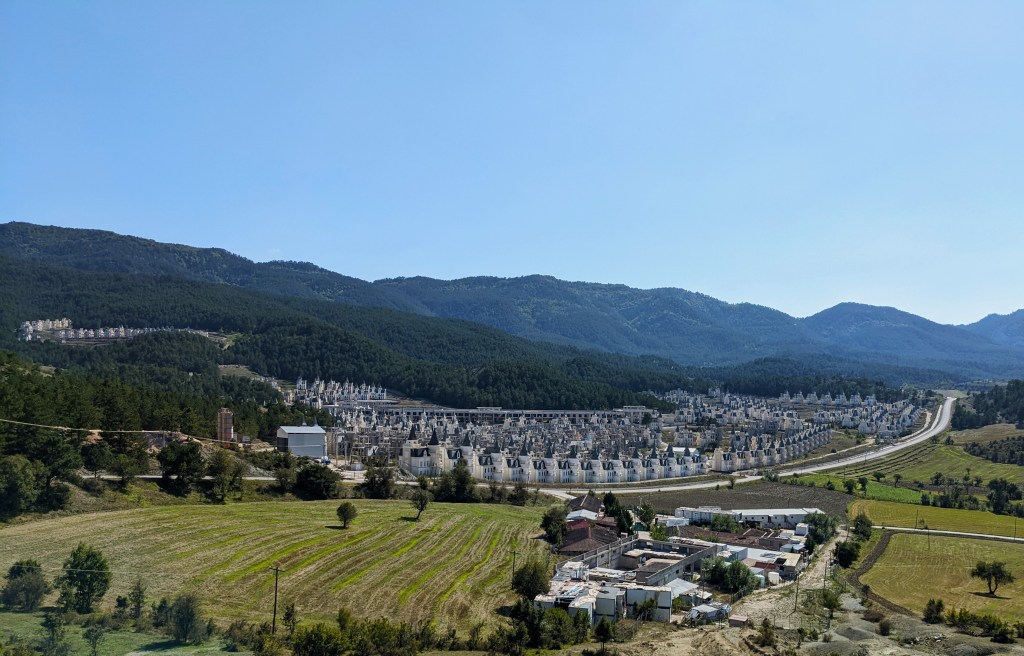
The morning after we arrived, we piled into the car with Akın’s parents and cousin, heading straight for the site. We snapped some photos from the lookout point before walking up to the gates. That’s when we noticed a guard. Undeterred, we decided to drive to the furthest end of the construction zone. The entire area was fenced off, making it seem impossible to get inside. The parents and cousin stayed near the parked car while Daniel, Akın, and I continued to creep along the fence and guard wall looking for a way in.
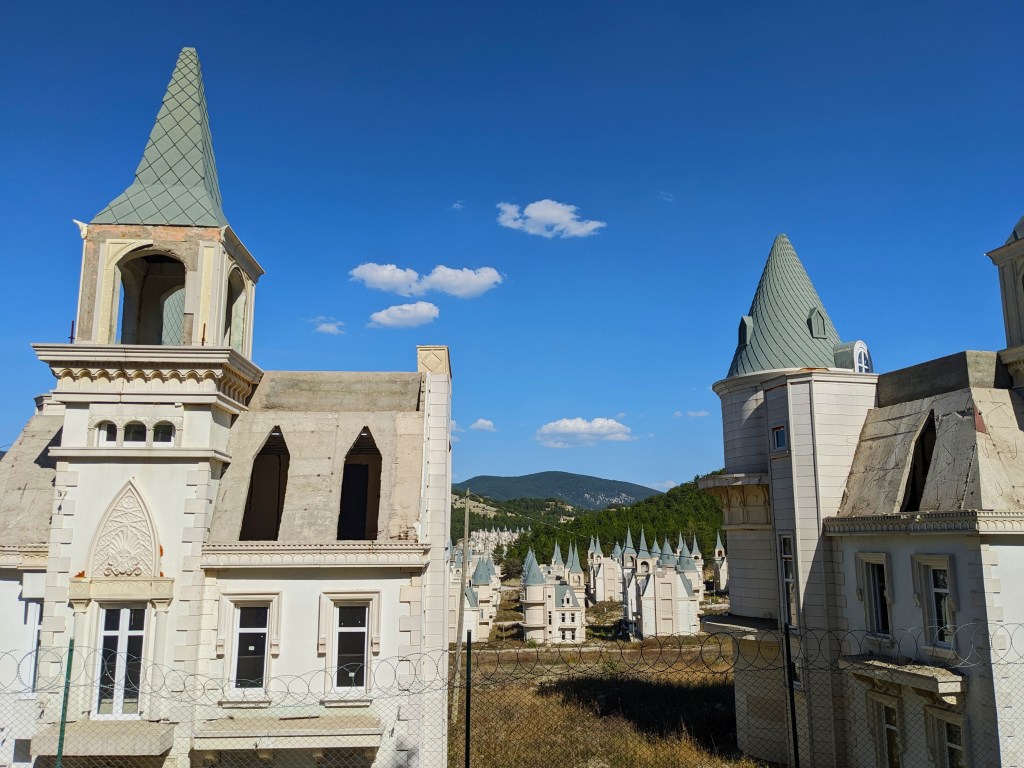
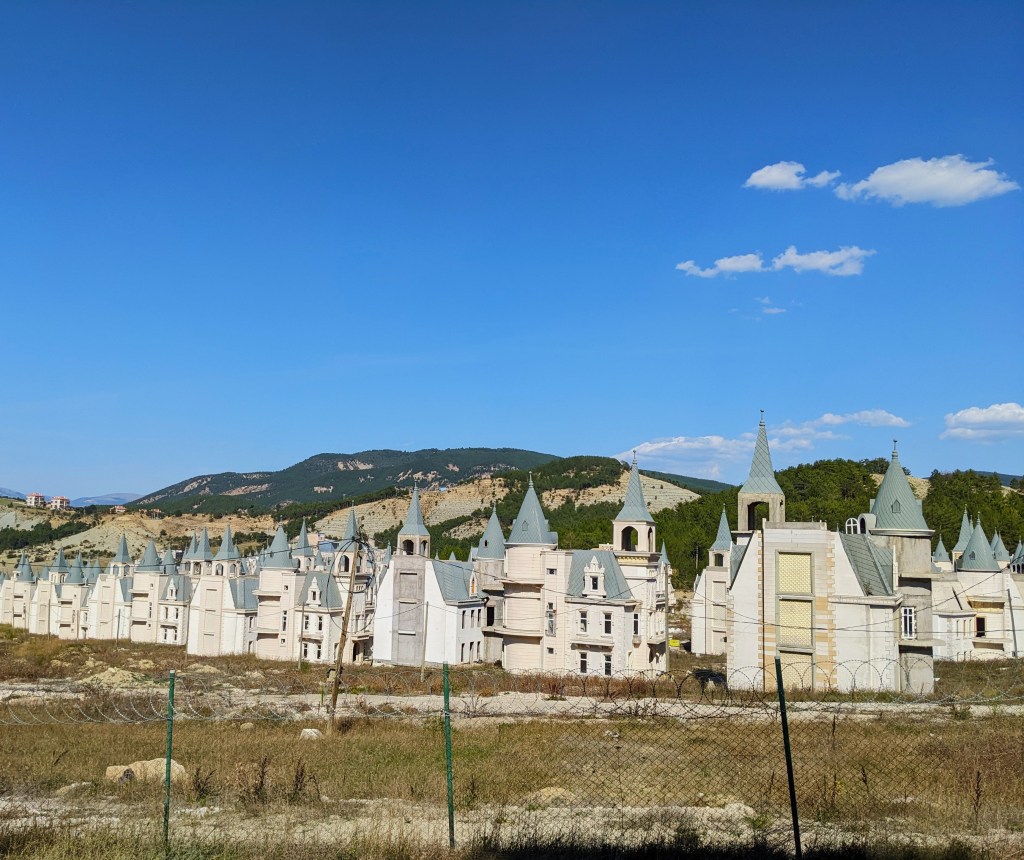
But then, we found it. A small gap beneath the barbed wire, just big enough for us to slide under. We crept along the inside fence, heartbeats quickening with every step, and soon, we stumbled upon another hole in the fence—leading directly into the back of the ghost town.
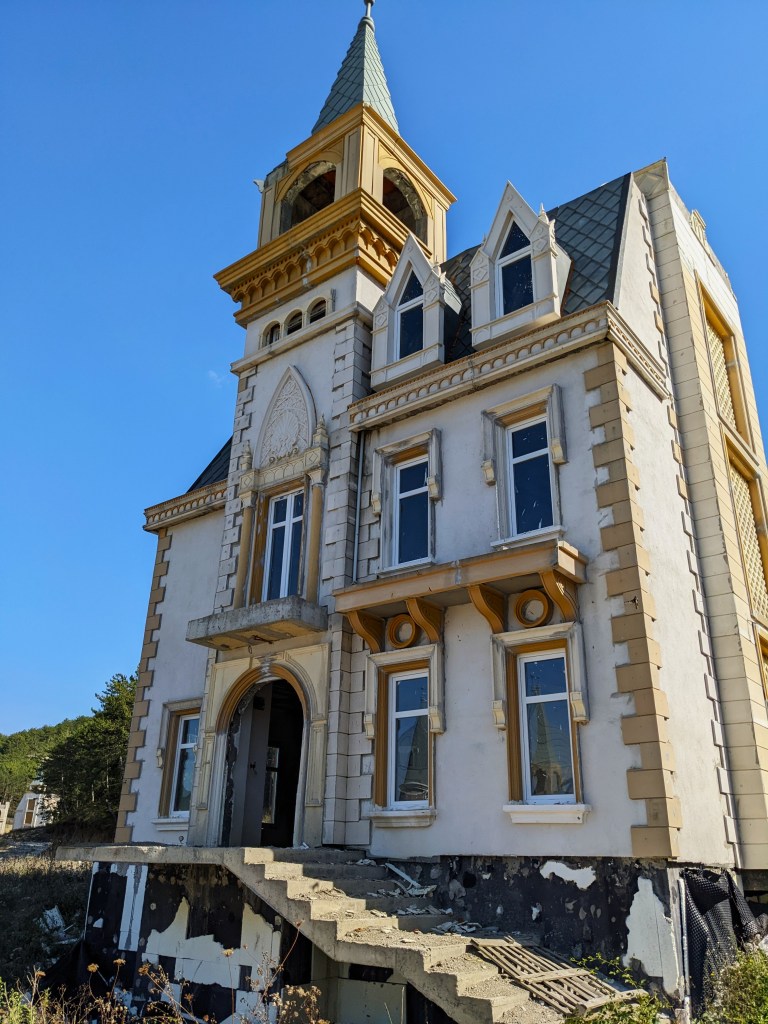
Eager to avoid detection, we entered one of the farthest houses and started exploring.
What we found inside was as surreal as the buildings themselves. The mansions—shells of what they were supposed to be—were unfinished. The walls were nothing but concrete, both inside and out. There were no fixtures, just window frames and some exposed plumbing pipes. I was shocked that, in the midst of an economic crisis, no one had stripped these buildings for materials. They were simply left to rot.
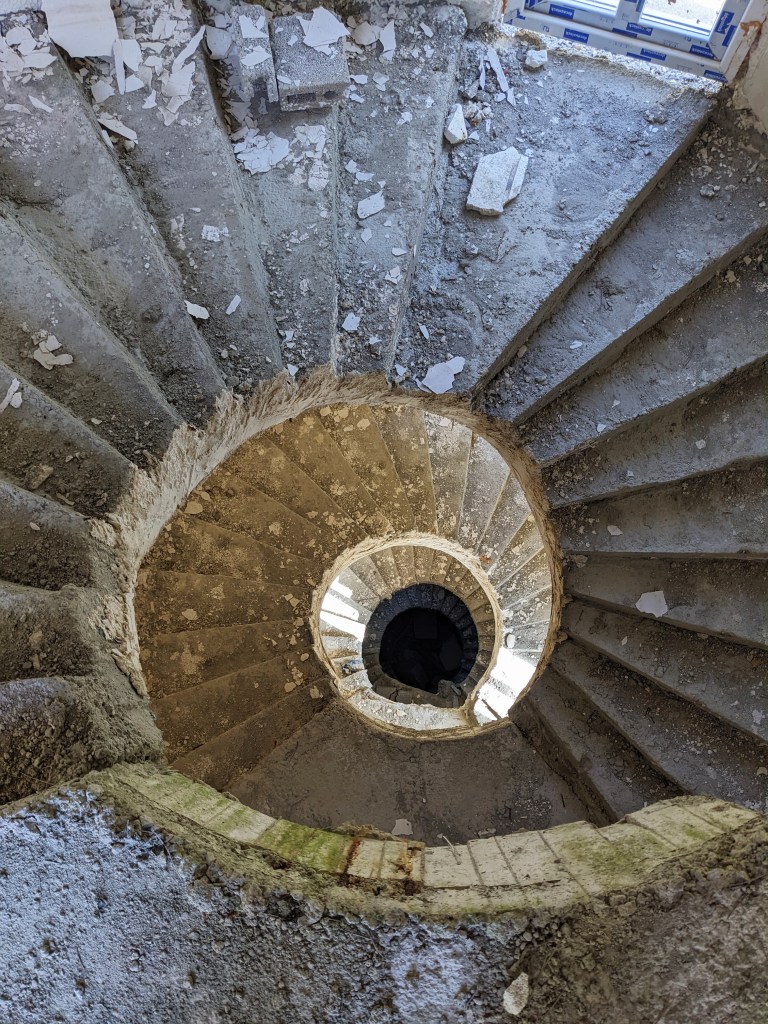
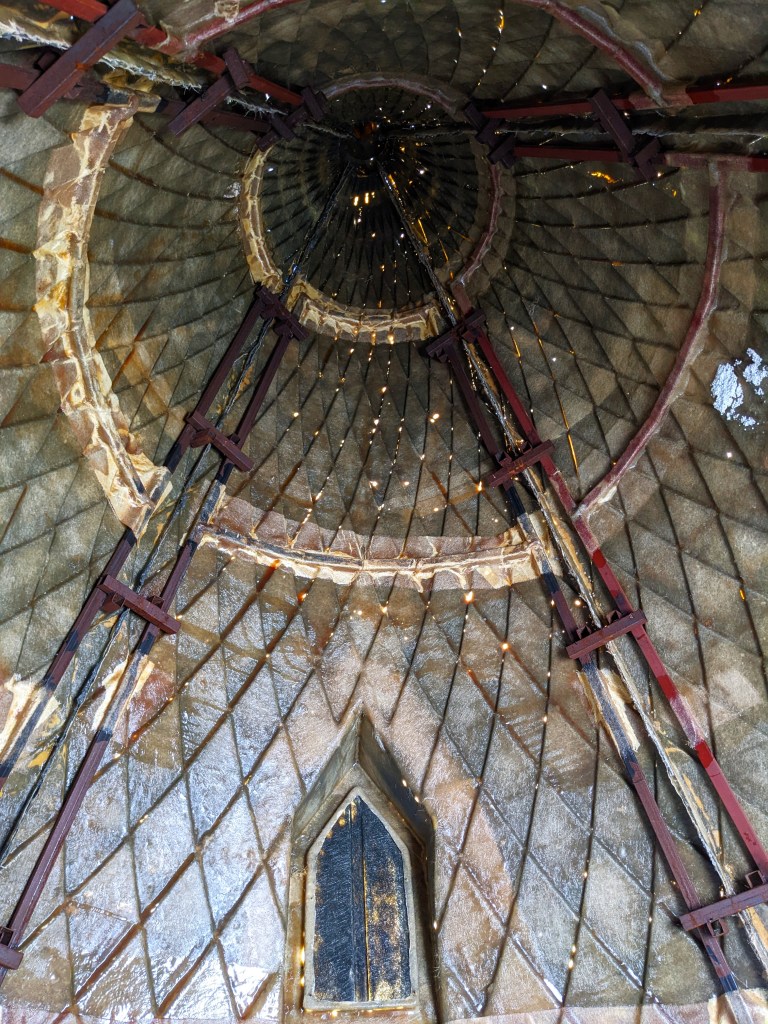
The craftsmanship? Terrible. Everywhere we looked, mistakes were glaringly obvious—unpolished corners, uneven surfaces, and ill-fitting structures. It was as if these houses were hastily assembled, with little care or thought about the long-term impact.
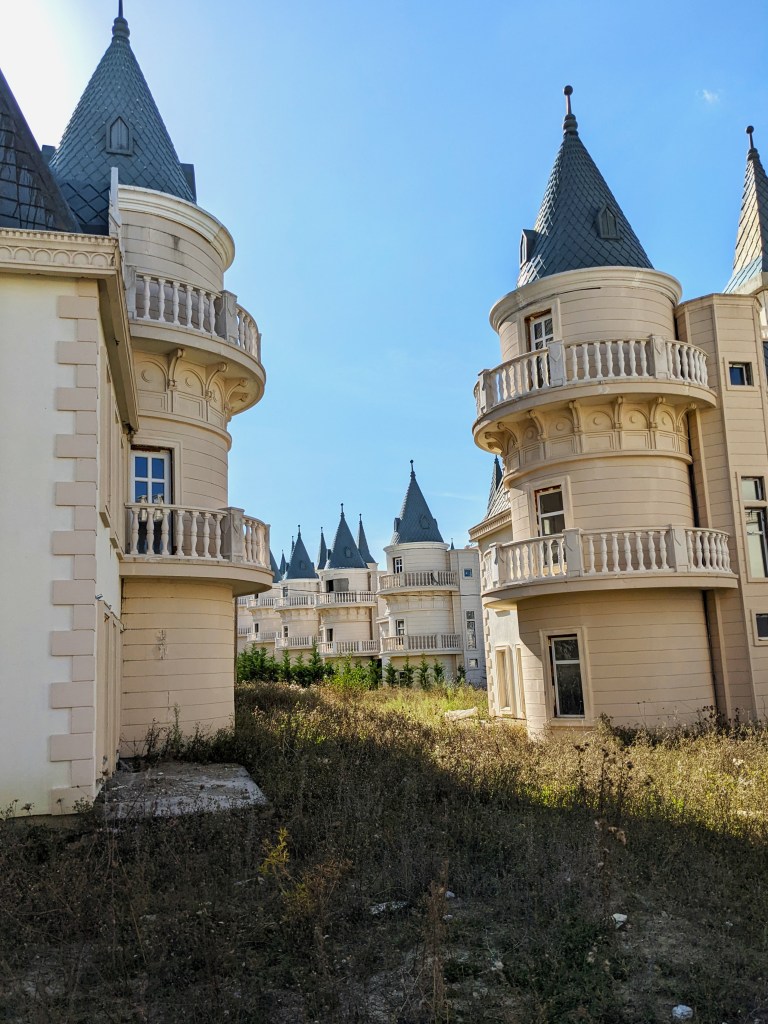
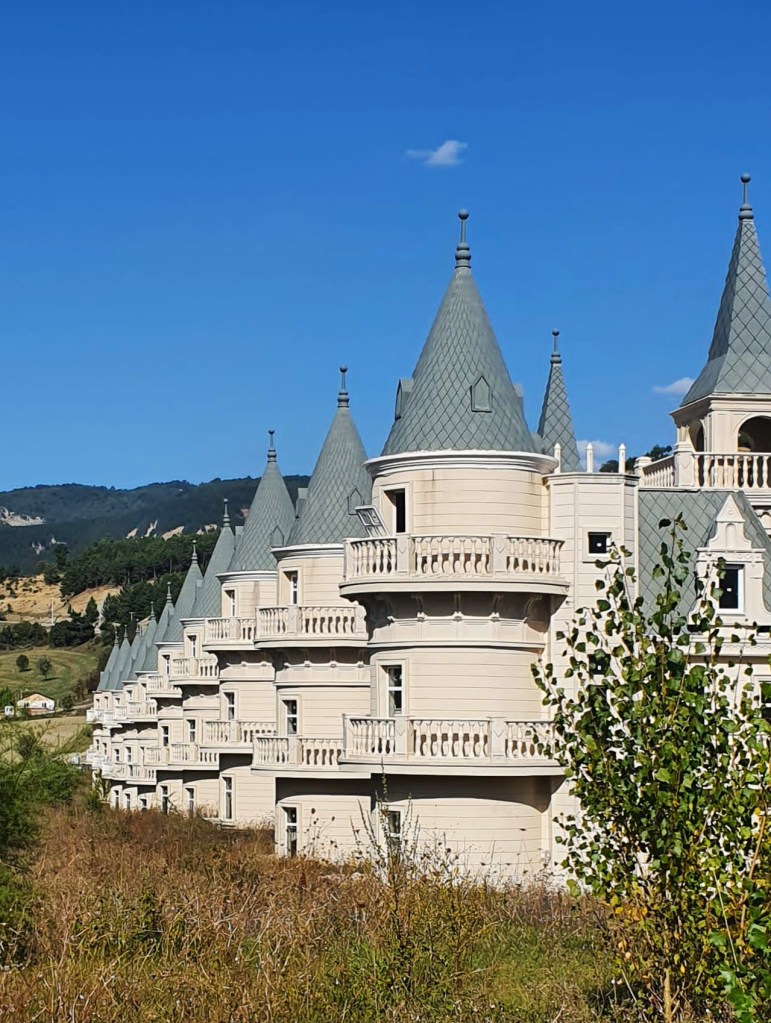
We ventured up a spiral staircase, stopping at each floor along the way to scope out where the various rooms and bathrooms would be. Then we reached the top of one of the towers. From the balcony, we could see the sprawling mess of nearly 600 half-built houses, their gaudy facades standing in stark contrast to the natural beauty around them. And in the center of it all, a half-finished mall, just another symbol of this failed dream. It was an eerie, dystopian scene.
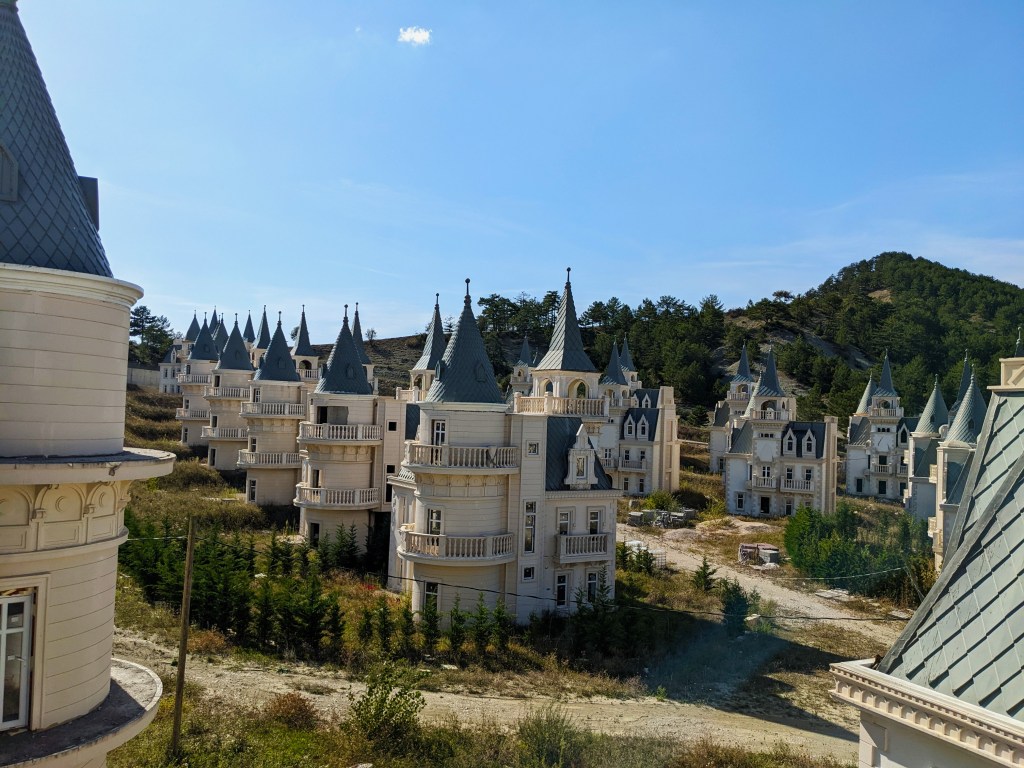
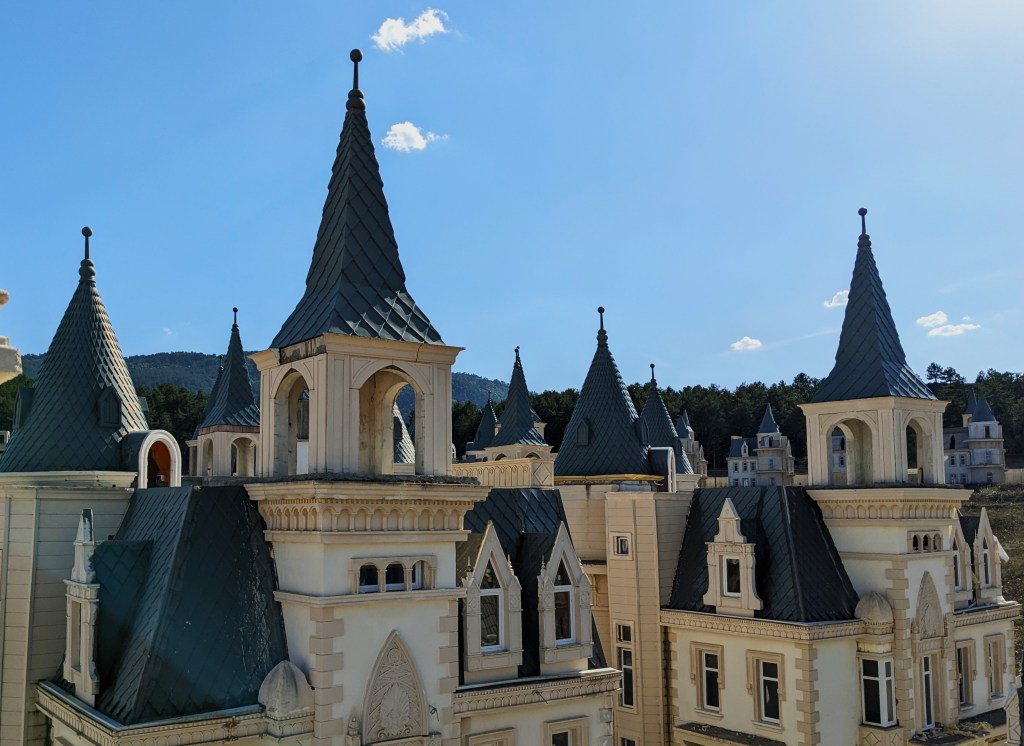
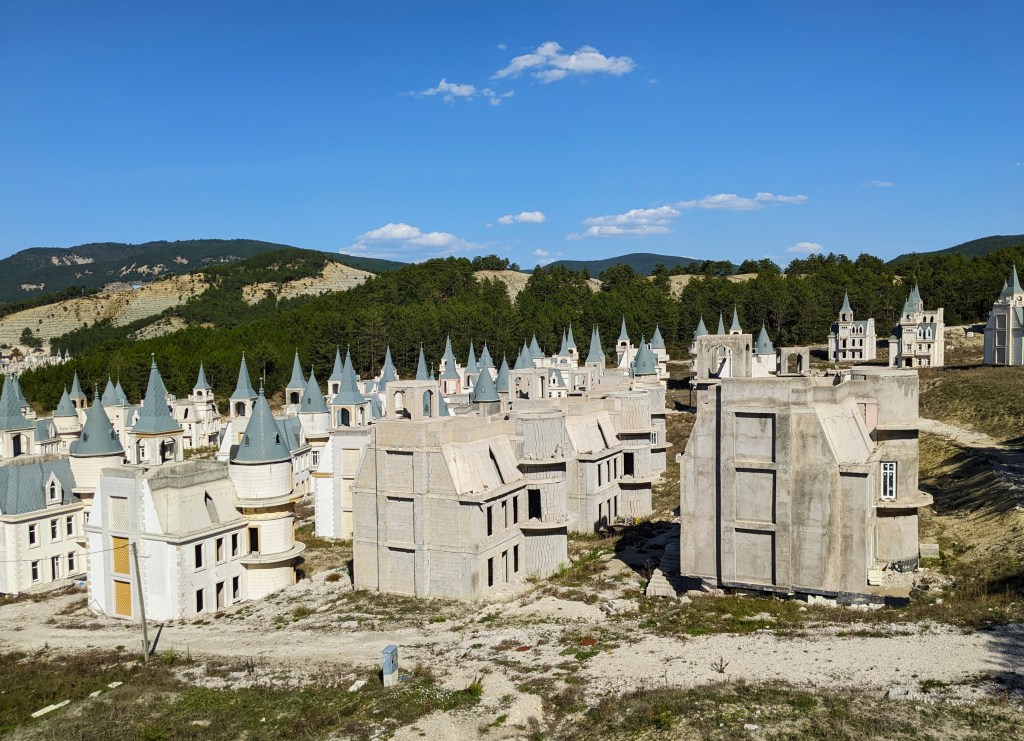
But what struck me the most? These houses were built on thermal land, a valuable natural resource meant to warm the homes during winter and create a luxurious spa-like experience for their future owners. Instead, they sat abandoned—a black hole of a bad investment propagated by irresponsible developers who deserve the worst. A wasteland and a betrayal of the land’s beauty, all for the sake of a misguided vision.
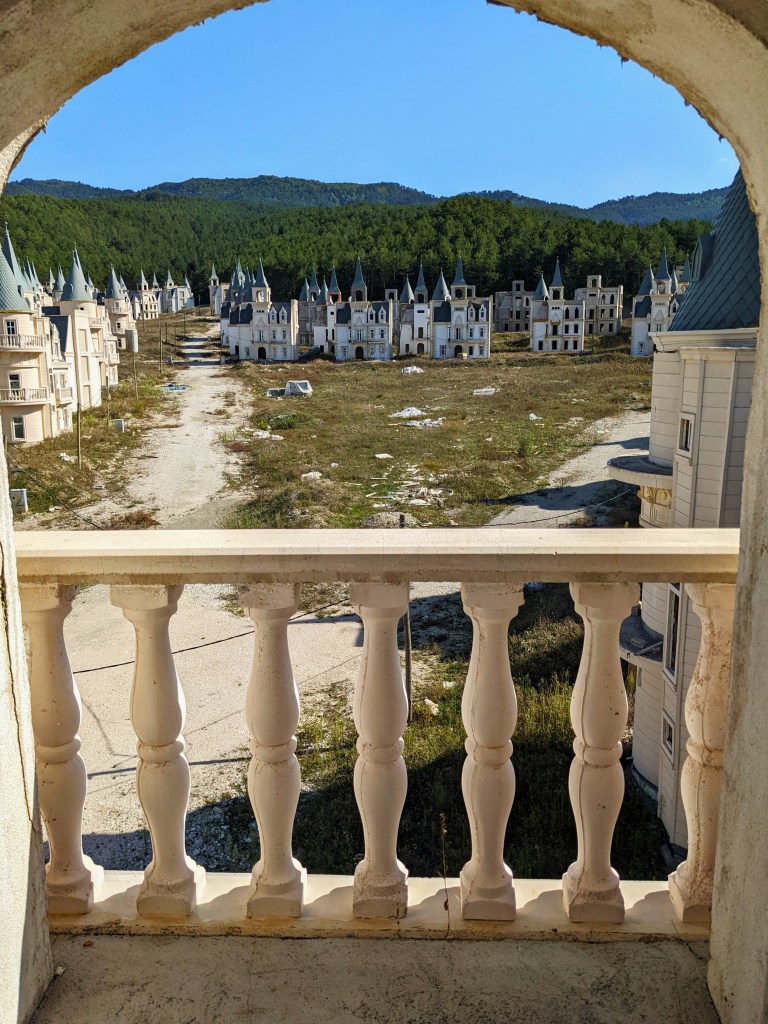
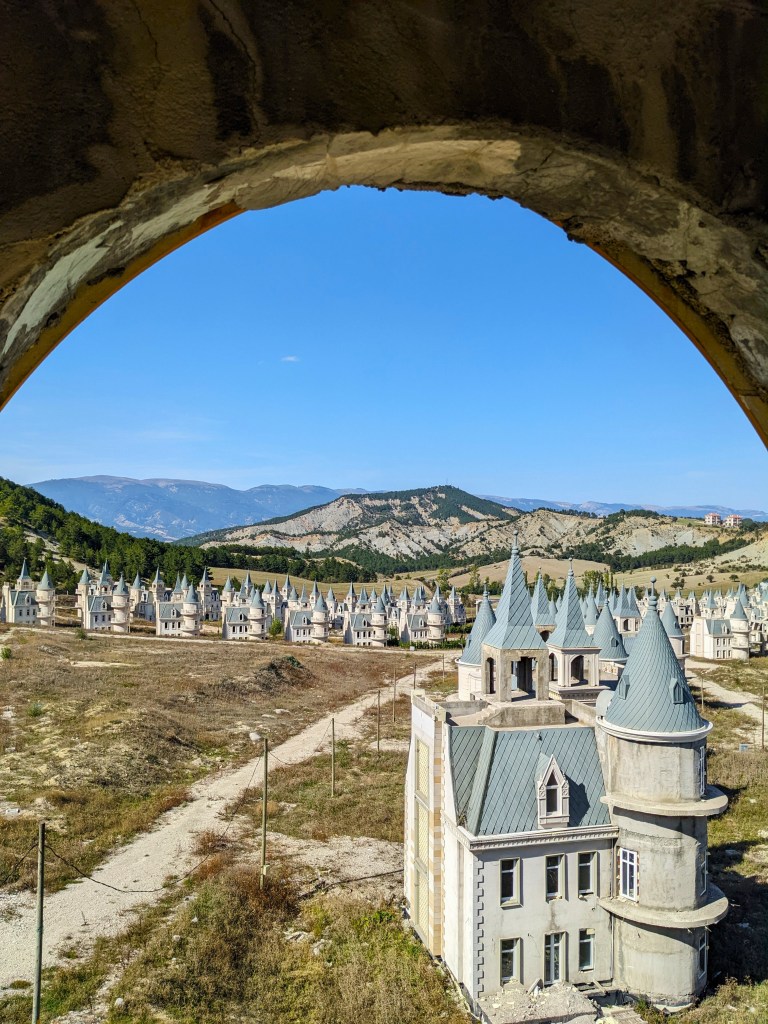
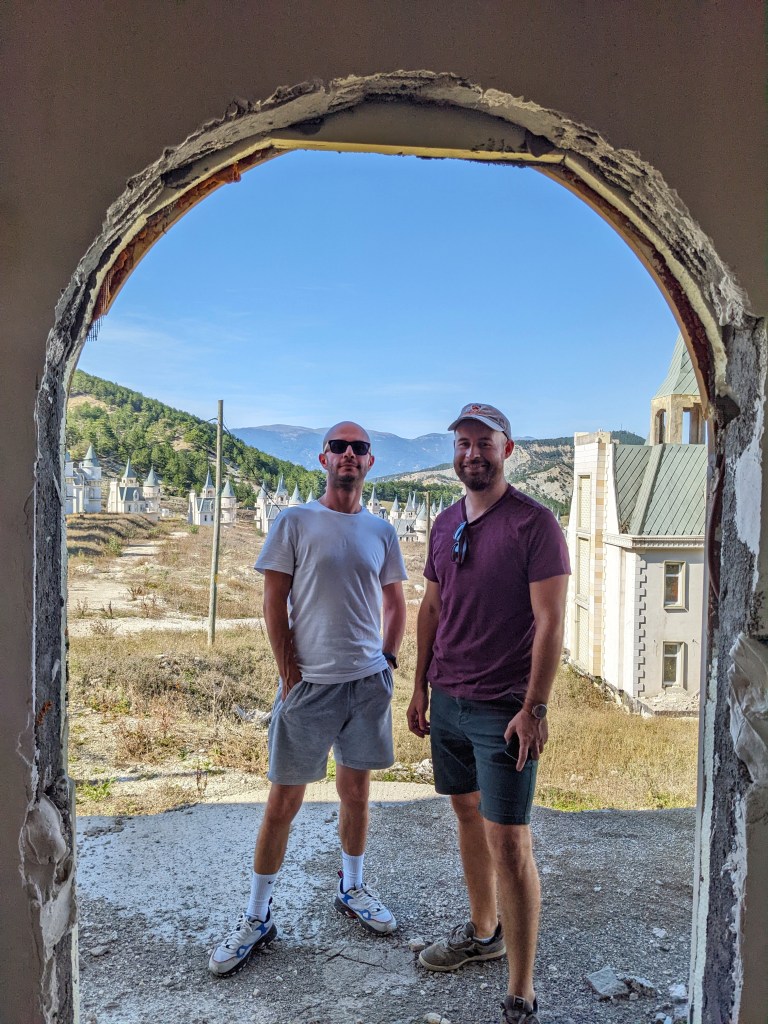
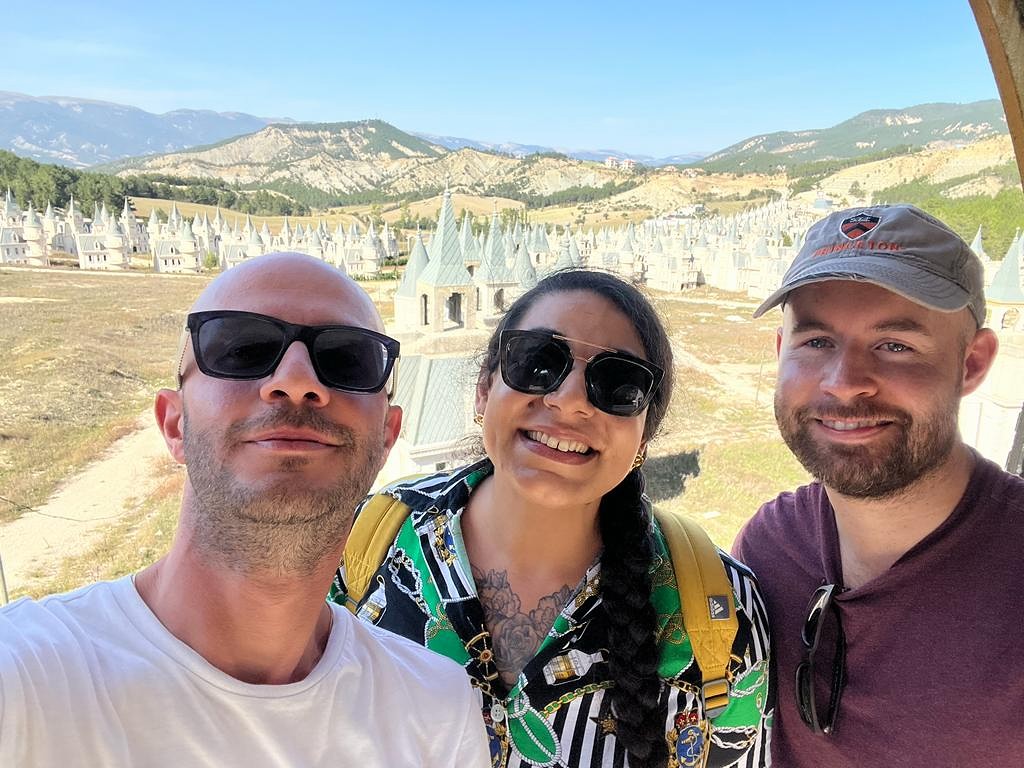
Still, despite everything, there was something strangely magical about being there. The eerie quiet of the abandoned site, the surreal architecture, and the natural beauty that surrounded it—it felt like stepping into an alternate reality. I’ll never forget that feeling. And I’m so grateful I could convince the beautiful people in my life to take the adventure with me.
 Brown Beyond Borders